

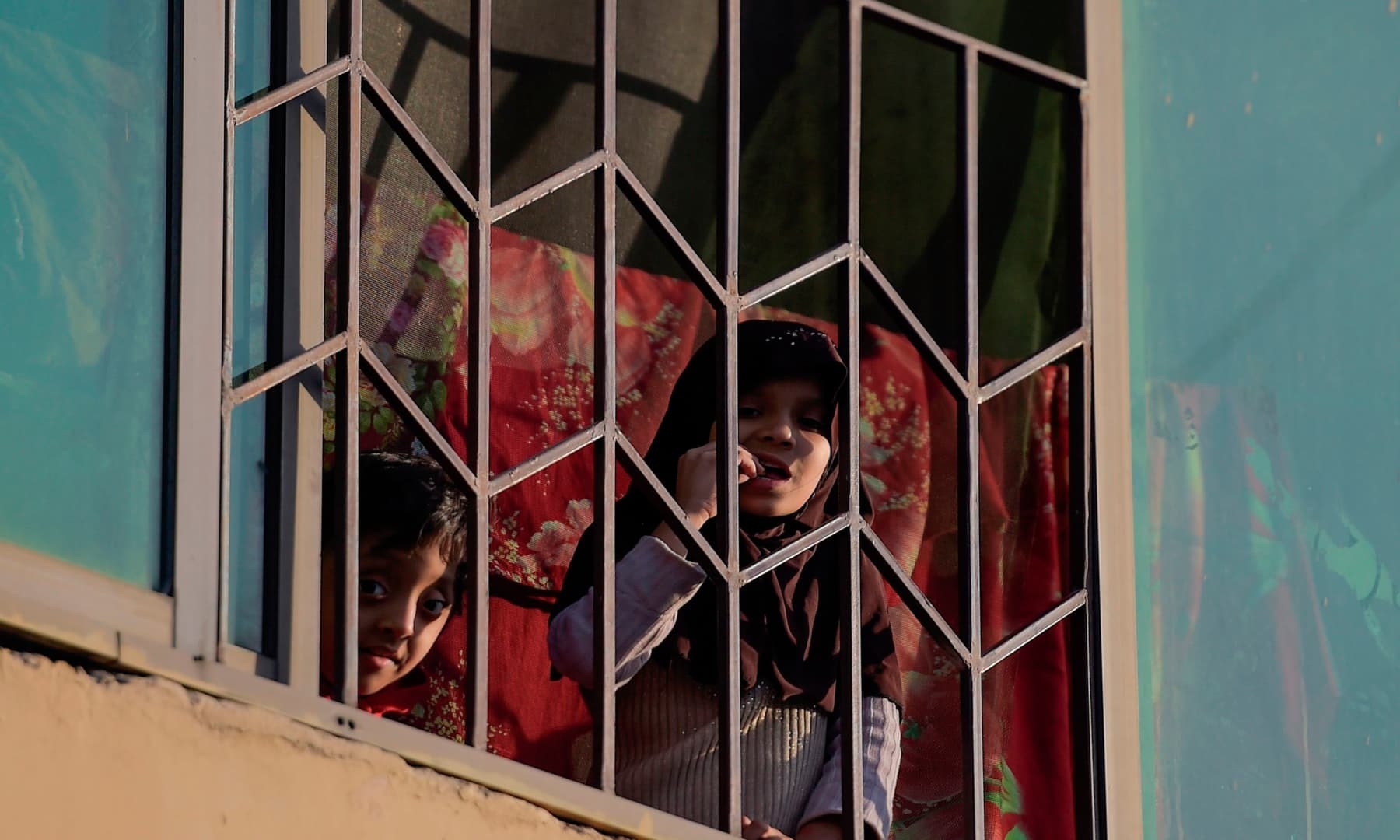
Today, as we stand at the floodgates, waiting for the deluge of Covid-19’s mental health related aftermath, we are not prepared. Pakistan’s healthcare sector has historically not invested in mental health. Stigma, lack of human resource, minimally nuanced understanding of needs, lack of disciplined efforts for advocacy, and the shortsightedness of leaders in healthcare, have led to a general apathy, under recognition, and a nonchalance towards the public’s mental health needs. This will now be our undoing.
Mental health disparities exist world over; even in well-developed health systems, services are scarce, insurance reimbursement remains a constant battle, and trained mental health workforce remains under pervasive shortage. The World Economic Forum, the World Bank, and the World Health Organisation have all raised alarms about an epidemic of poor mental health. And indeed, mental illness is now responsible for the largest burden of illness globally, surpassing that of all cancers combined or heart disease. Before Covid-19, the crisis was projected to cost the global economy $16 trillion by 2030. And while these projections will change in light of the havoc the pandemic is wreaking, optimal mental health plans in most parts of the globe have largely remained a moving target.
Pakistan is in a much more dire state; and now with Covid-19 upon us, we stand on the precipice of a disaster that is sadly of our own making.
Let’s explore some statistics. Out of 114 medical colleges in Pakistan, only a handful require competency in the subject to graduate. In most colleges, there is only one optional psychiatry question you may attempt in your final professional examination. This means that out of the approximately 14,000 doctors graduating each year, only an insignificant percentage have any meaningful knowledge or skills in screening for or managing these patients, even at a primary care level.
It is important to understand the downstream effects of this. No competency in psychiatry means that most doctors who start their small GP practices spread around the country are unequipped to see patients with mental health needs; often they fall prey to the many pharmaceutical agents who become their primary knowledge bearers. This leads to pill pushing, polypharmacy and frank malpractice. Minimal teaching also communicates a covert message that mental health is not important or simply obsolete, adding to a widely prevalent stigma of the mental health profession amongst the medicine fraternity. This stigma is a well-established phenomenon, and perpetuates shortage when it comes to the mental health workforce.
At a systems level, mental health is under-resourced and under-researched. Conservative estimates show that around 50 million people in Pakistan suffer from a mental health disorder. With only 500 psychiatrists, we are looking at a ratio of 1:100,000 patients. The state of child and adolescent mental health is starker — currently we have 5-6 trained pediatric psychiatrists, only one training programme, and over 20 million children that require trained help. If this doesn’t give us pause, try projecting these numbers in multiples, as the mental health needs of the population accelerate exponentially fuelled by the Covid-caused ubiquitous blanket of anxiety.


